Abstract Canvas Digital Paper: A Comprehensive Evaluation for Digital Designers and Print-on-Demand Sellers
In the rapidly evolving landscape of digital design and print-on-demand (POD) businesses, having access to high-quality, versatile textures is essential. Among the various assets available to creators, Abstract Canvas Digital Paper has emerged as a popular choice for those seeking to add depth and artistic flair to their projects. This resource is not merely a background image; it is a foundational texture designed to enhance a wide array of commercial and personal applications.
For entrepreneurs, hobbyists, and professional designers alike, selecting the right digital asset can significantly impact the perceived value of a final product. This article provides an objective evaluation of Abstract Canvas Digital Paper, exploring its specifications, potential use cases, benefits, limitations, and practical considerations to help you determine if it aligns with your specific creative or business goals.
Understanding the Product Specifications
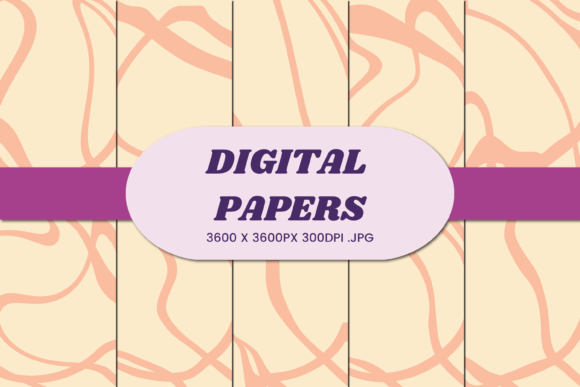
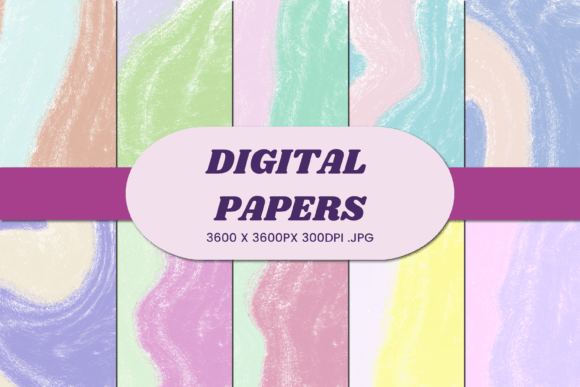
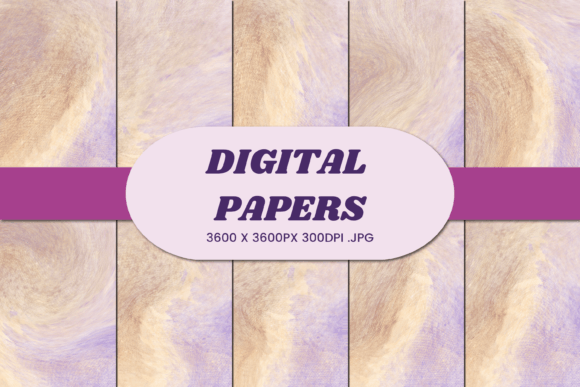
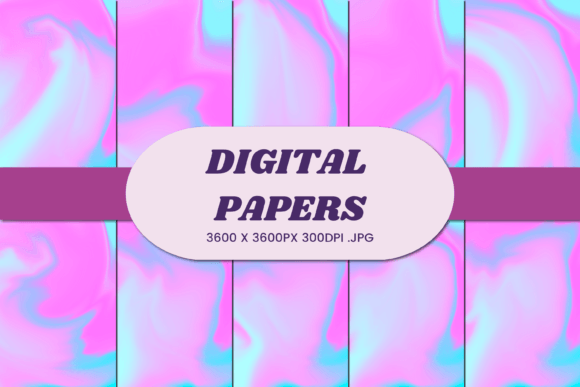
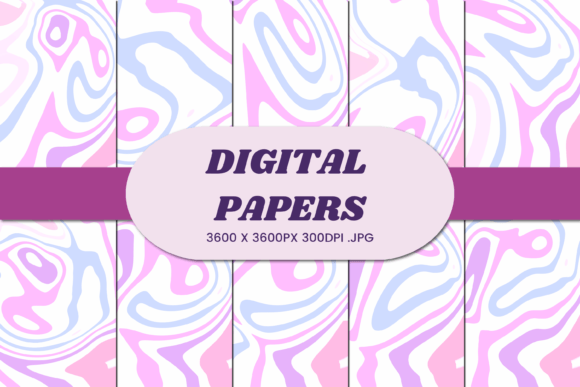
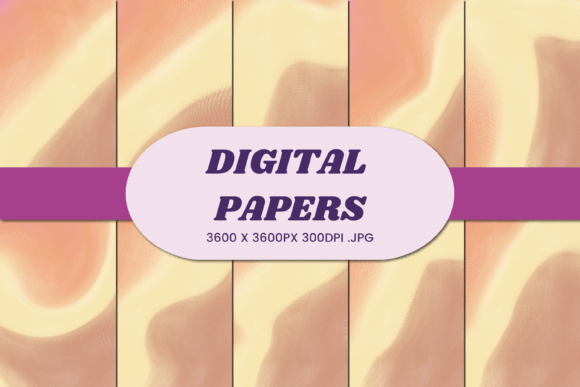
Before evaluating the utility of Abstract Canvas Digital Paper, it is crucial to understand what is included in the package. The product consists of 10 distinct JPG files, each meticulously crafted to provide a unique abstract aesthetic. These are not low-resolution placeholders but are engineered for professional output.
- Resolution: Each file is sized at 3600×3600 pixels.
- Physical Dimensions: At standard printing settings, this equates to 12x12 inches.
- DPI (Dots Per Inch): The files are set to 300 DPI, which is the industry standard for high-quality printing.
- Format: JPG format ensures broad compatibility across most design software and POD platforms.
These technical specifications are critical because they directly influence the quality of the end product. A resolution of 300 DPI at 12x12 inches allows for crisp, clear prints without pixelation, even when scaled appropriately for smaller items like phone cases or larger formats like throw pillows.
Primary Use Cases and Applications
The versatility of Abstract Canvas Digital Paper makes it suitable for a diverse range of applications. Its abstract nature means it can serve as a standalone design element or as a textured overlay that adds complexity to other graphics. Below are some of the most common and effective ways creators utilize this asset.
Print-on-Demand Products
One of the most significant drivers for purchasing digital paper is its application in the POD market. Because the files are high-resolution, they are ideal for products where texture and detail matter. Common applications include:
- Apparel: T-shirts and sweatshirts benefit from canvas textures that mimic fabric, adding a tactile visual appeal.
- Home Decor: Pillows, blankets, and wall art can leverage the abstract patterns to create modern, gallery-worthy aesthetics.
- Drinkware: For sublimation printers, these files work well for 3D mug wraps and tumbler wraps, providing a seamless, high-contrast background for logos or typography.
- Accessories: Phone cases and stickers often rely on bold, eye-catching backgrounds, which abstract canvas designs can provide effectively.
Stationery and Business Materials
Beyond physical goods, Abstract Canvas Digital Paper is highly effective for branding and stationery. It can be used to create:
- Business Cards: Adding a subtle canvas texture to a business card can elevate it above standard matte or glossy finishes.
- Invitations: Wedding cards, event invitations, and printable announcements can use these papers to convey elegance or artistic flair.
- Social Media Graphics: As backgrounds for posts or stories, these images offer a professional, cohesive look for brand identity.
Crafting and Scrapbooking
For digital scrapbookers and craft enthusiasts, these papers serve as premium digital stock. They can be layered with photos, quotes, and embellishments to create complex layouts. The 12x12 inch size is the standard for digital scrapbooking, making integration into existing workflows seamless.
Evaluating Benefits and Tradeoffs
When considering whether to incorporate Abstract Canvas Digital Paper into your workflow, it is important to weigh the advantages against potential limitations.
Key Benefits
High Print Quality: The 300 DPI resolution ensures that your designs will look sharp on physical products. This reduces the risk of customer complaints regarding blurry or pixelated prints, which is a common issue with lower-quality digital assets.
Versatility: The abstract nature of the designs means they do not clash easily with other elements. Whether you are placing a minimalist logo over the texture or using it as a full-bleed background, the canvas style tends to complement a wide variety of color palettes and themes.
Cost-Effectiveness: Compared to commissioning custom illustrations or photography, purchasing a bundle of 10 high-resolution digital papers is a relatively low-cost investment. It provides immediate access to multiple design options without the need for extensive graphic design skills.
Potential Limitations
File Format Constraints: The product is provided in JPG format. While widely compatible, JPG is a lossy compression format. If you require non-destructive editing capabilities, such as adjusting individual layers or colors independently, vector formats (like EPS or AI) would be more appropriate. However, for most background and texture purposes, JPG is sufficient.
Subjectivity of "Abstract": Because the designs are abstract, their effectiveness depends heavily on how they are paired with other design elements. A poor color match between the canvas texture and your text or logo can result in a cluttered or illegible design. Careful selection and testing are required.
Licensing Considerations: While the product description outlines usage rights, it is always prudent to verify the specific licensing terms. Some digital assets restrict resale on certain POD platforms or limit the number of physical copies sold. Understanding these boundaries is crucial for commercial compliance.
Decision-Making Insights: Is This Right for You?
To determine if Abstract Canvas Digital Paper is the right tool for your project, consider the following scenarios.
Strong Fit Scenarios
This asset is an excellent choice if you are a print-on-demand seller looking to quickly expand your product catalog with high-quality backgrounds. It is also ideal for graphic designers who need reliable, high-resolution textures for client projects involving branding, packaging, or editorial design. Additionally, hobbyists engaged in digital scrapbooking or creating printables will find the 12x12 inch format perfectly aligned with industry standards.
Alternatives to Consider
If your primary need is for editable vector graphics that can be scaled infinitely without any quality loss, you might look for SVG or AI versions of abstract textures instead. Similarly, if you require photographic realism rather than an artistic canvas feel, stock photography libraries may offer more suitable options. Furthermore, if you are working on large-format printing (such as billboards or building wraps), you may need higher resolution files than 3600x3600 pixels to maintain clarity at extreme distances.
Practical Tips for Implementation
To get the most out of Abstract Canvas Digital Paper, follow these practical steps:
- Color Matching: Before finalizing your design, check how the canvas texture interacts with your chosen color scheme. Use opacity adjustments or blending modes in your design software to ensure the text remains legible.
- Proofing: Always order a physical proof before launching a new product line. Screen colors can differ significantly from printed results, especially with textured backgrounds.
- Layering: Do not rely solely on the paper as a flat background. Add shadows, highlights, or overlays to integrate the texture more naturally with your main subject.
Conclusion
Abstract Canvas Digital Paper offers a robust solution for creators seeking high-quality, versatile textures for both digital and print media. With its 300 DPI resolution and 12x12 inch dimensions, it meets the technical requirements for most professional applications, from POD merchandise to social media graphics. While it has limitations regarding editability due to its JPG format, its ease of use and aesthetic flexibility make it a valuable asset for many designers. By carefully considering your specific needs and understanding the tradeoffs, you can effectively leverage these digital papers to enhance your creative output and business offerings.