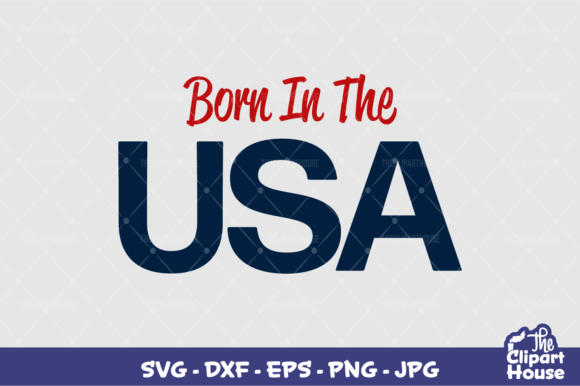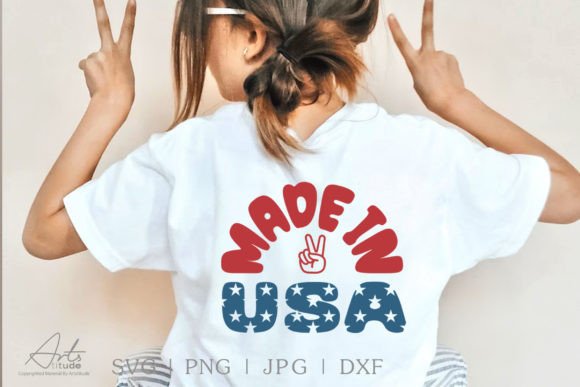
Evaluating Made in USA SVG, 4th of July PNG SVG DXF for Patriotic Craft Projects
When preparing for the Fourth of July or any patriotic-themed event, the quality and versatility of digital assets play a critical role in the final output. For crafters, small business owners, and DIY enthusiasts, Made in USA SVG, 4th of July PNG SVG DXF represents a specific category of digital design files that bridge the gap between static imagery and vector-based cutting instructions. Understanding what these files offer, how they compare to other formats, and where they fit into your production workflow is essential before committing to a purchase or download.
The core value of this asset lies not just in its visual appeal but in its technical specifications. Unlike standard raster images that can become pixelated when scaled, SVG (Scalable Vector Graphics) and DXF (Drawing Exchange Format) files allow for infinite resizing without loss of quality. This makes them ideal for applications ranging from tiny jewelry charms to large banner signs. The inclusion of multiple file types—specifically SVG, DXF, PNG, and JPG—within a single package provides flexibility across different software environments and hardware capabilities.
Understanding the File Composition and Technical Specifications
A comprehensive digital craft file should serve multiple purposes. The Made in USA SVG, 4th of July PNG SVG DXF package is designed with this multi-functionality in mind. It includes one SVG file, one DXF file, three PNG files with transparent backgrounds at 300 dpi, and three JPG files also at 300 dpi in color, black, and white variations. Each format serves a distinct purpose in the creation process.
- SVG Files: These are the primary choice for users of Cricut and Silhouette machines. SVGs contain path data that tells the cutting blade exactly where to move. They are editable, allowing users to change colors, resize elements, or combine designs within compatible software like Cricut Design Space or Silhouette Studio.
- DXF Files: Often used by professional designers or those working with more advanced CAD software, DXF files ensure compatibility across various vector programs. If you plan to use Adobe Illustrator or CorelDRAW, the DXF component ensures the design remains intact and editable.
- PNG Files: With a transparent background, PNGs are crucial for printing. Whether you are creating stickers, labels, or iron-on transfers for t-shirts, the transparency allows the design to blend seamlessly with the substrate. The 300 dpi resolution ensures crisp edges for high-quality prints.
- JPG Files: While lacking transparency, JPGs are universally compatible. They are useful for quick previews, web usage, or as reference images when tracing custom designs in simpler software that does not support vector editing.
The availability of both color and monochrome (black/white) versions adds significant utility. A black-and-white version is particularly valuable for vinyl cutting, where complex color gradients are unnecessary, and solid shapes perform better on materials like adhesive vinyl or cardstock.
Application Versatility Across Product Categories
One of the strongest arguments for choosing a versatile digital asset like Made in USA SVG, 4th of July PNG SVG DXF is its wide range of potential applications. The patriotic theme lends itself to numerous product categories, allowing creators to diversify their offerings or personal projects.
Apparel and Accessories
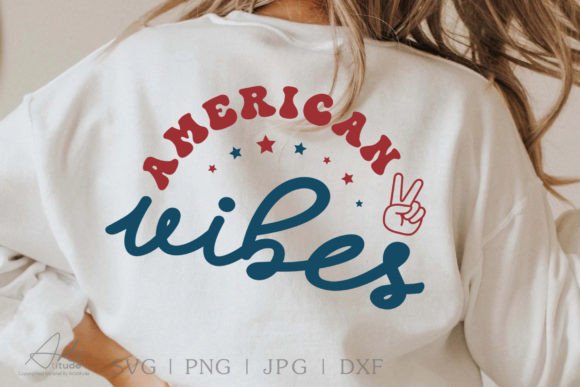
T-shirts remain the most popular item for Fourth of July celebrations. Using the SVG file, users can create precise cuts for heat transfer vinyl (HTV), ensuring that stars, stripes, or text align perfectly. Beyond shirts, this design works well for hats, tote bags, and even embroidered patches if digitized correctly. Jewelry makers can utilize the smaller details of the design to cut acrylic pendants or metal blanks using laser engravers.
Home Decor and Signage
For home decor, the design translates effectively to wooden signs, mirrors, and wall art. The vector nature of the SVG means it can be scaled up to fill an entire poster board or reduced to fit a small coaster. Magnets and decals benefit from the clean lines provided by the cutting files, ensuring durability and a professional finish.
Stationery and Paper Crafts
Invitations, party supplies, and stationery require high-resolution raster images for printing. The included 300 dpi PNG and JPG files meet this requirement. Creators can produce elegant invitations with transparent overlays or bold flyers for community events. Stickers are another high-demand item; the combination of vector cutting paths and high-res print files allows for die-cut stickers that look professionally manufactured.
Business and Branding
Small businesses launching patriotic-themed products can use these files for logo designs, business cards, and website graphics. The ability to switch between vector and raster formats ensures consistency across all marketing materials, from large outdoor banners to small social media avatars.
Comparative Analysis: SVG/DXF vs. Standard Raster Images
When evaluating digital resources, it is important to distinguish between vector-based files (SVG, DXF) and raster-based files (PNG, JPG). Many lower-cost or free alternatives may only provide JPEGs or low-resolution PNGs. While these are sufficient for screen viewing, they fail when subjected to scaling or cutting processes.
Scalability
A key differentiator is scalability. Raster images are made of pixels; enlarging them results in blurriness and jagged edges. In contrast, the SVG and DXF components of Made in USA SVG, 4th of July PNG SVG DXF are mathematically defined. This means a design intended for a mug can be enlarged to a billboard without any degradation in quality. For serious crafters, this distinction is non-negotiable.
Editability
Raster images are difficult to edit structurally. You cannot easily separate the stars from the stripes in a JPEG. However, vector files allow individual elements to be moved, resized, or deleted. This editability is crucial for customization. For example, a user might want to remove text from a design to add their own name, or adjust the spacing between elements to fit a specific material constraint. The inclusion of editable formats provides this level of control.
Cutting Precision
For users of electronic cutting machines, the difference between a PNG and an SVG is the difference between success and failure. Cutting machines read the vector paths in SVG and DXF files to guide the blade. Without these paths, the machine has no instruction on where to cut, rendering the file useless for physical production. Therefore, the presence of SVG and DXF files is a primary indicator of a product’s suitability for crafting.
Decision Factors: When Is This Asset the Right Choice?
Selecting the right digital asset depends on your specific goals, tools, and skill level. Made in USA SVG, 4th of July PNG SVG DXF is particularly well-suited for the following scenarios:
- You Own a Cutting Machine: If you use a Cricut, Silhouette, or similar device, the SVG and DXF files are essential. They streamline the workflow by providing ready-to-cut vectors.
- You Need Multi-Format Flexibility: If your projects involve both digital printing (using PNGs/JPGs) and physical cutting (using SVGs/DXFs), having all formats in one package saves time and ensures design consistency.
- You Are Creating Commercial Products: For sellers on platforms like Etsy or Amazon Handmade, high-quality, scalable files reduce the risk of customer complaints regarding blurry prints or misaligned cuts. The professional-grade resolution and clean vector lines enhance perceived value.
- You Require Customization: If you plan to modify the design to suit different brands or themes, the vector formats allow for easy editing without losing quality.
Conversely, there are situations where this asset might not be the optimal choice. If you are a beginner who only intends to print simple images on paper without cutting, a basic JPEG might suffice, though the added value of the vector files still makes this package superior. Additionally, if your software does not support SVG or DXF import, you may face a learning curve or need to convert files, which could introduce errors. In such cases, ensuring software compatibility is a prerequisite.
Practical Tips for Implementation
To get the most out of Made in USA SVG, 4th of July PNG SVG DXF, consider the following practical tips:
- Check Software Compatibility: Ensure your cutting software supports SVG imports. Most modern versions of Cricut Design Space and Silhouette Studio do, but older versions may require updates.
- Test Prints First: Before committing to expensive materials like wood or metal, print the PNG or JPG on regular paper to check alignment and scale. This step helps avoid costly mistakes.
- Layer Management: When opening the SVG file, pay attention to layer names. Organizing layers properly can simplify the cutting process, especially if the design consists of multiple overlapping elements.
- Material Considerations: Different materials react differently to cutting and printing. Vinyl requires sharp blades and specific pressure settings, while fabric may need stabilizers. The versatility of the file allows you to experiment with various materials, but testing is always recommended.
Conclusion
In the crowded market of digital craft files, Made in USA SVG, 4th of July PNG SVG DXF stands out due to its comprehensive format inclusion and high-resolution standards. By providing both vector and raster options, it caters to a broad spectrum of creative needs, from precise machine cutting to high-quality digital printing. Its adaptability across various product categories—from apparel to signage—makes it a valuable resource for anyone looking to create professional-looking patriotic items. Whether you are a seasoned pro or a hobbyist exploring new techniques, understanding the strengths and limitations of each file type ensures that you make informed decisions that lead to successful outcomes.