The Zest of Innovation: Leveraging Watercolor Lemon Digital Papers in Contemporary Design and Branding
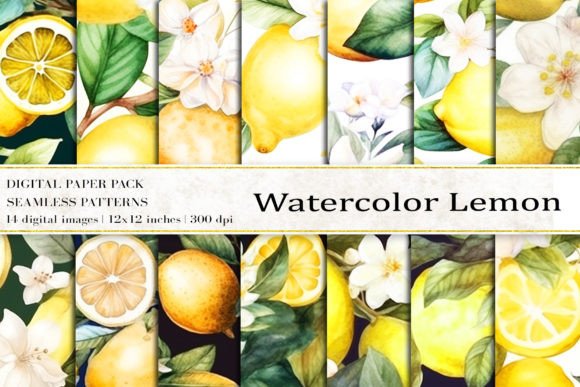
In the rapidly evolving landscape of digital content creation, visual consistency and aesthetic appeal are no longer mere luxuries; they are fundamental components of brand identity and user engagement. Among the myriad of design assets available to professionals, creators, and entrepreneurs, Watercolor Lemon Digital Papers have emerged as a versatile and highly sought-after resource. This specific collection, comprising 14 distinct designs, offers more than just decorative backgrounds; it provides a strategic tool for enhancing visual storytelling across diverse platforms.
For marketers, freelancers, and small business owners, the ability to produce high-quality, cohesive visual materials quickly is paramount. The introduction of AI-generated art tools has further accelerated this demand, allowing for unique, non-repetitive textures that were previously difficult or expensive to commission. By integrating Watercolor Lemon Digital Papers into their workflow, professionals can elevate everything from social media graphics to physical product packaging, ensuring that their brand stands out in a crowded digital marketplace.
Understanding the Asset: Technical Specifications and Creative Potential
At its core, this digital paper set is designed for maximum utility and compatibility. Each of the 14 papers is provided in a standard 12x12 inches format, which is the industry standard for scrapbooking, digital journaling, and many graphic design templates. The files are delivered in JPG format at 300 dpi, ensuring that whether you are printing physical materials or displaying them on high-resolution screens, the quality remains crisp and professional.
The aesthetic itself—centered around the motif of lemons rendered in a watercolor style—evokes feelings of freshness, optimism, and natural simplicity. In design psychology, yellow and lemon hues are often associated with energy, creativity, and warmth. When combined with the organic, fluid lines of watercolor techniques, the result is a texture that feels both handcrafted and digitally precise. This duality is crucial for modern brands that wish to appear approachable yet sophisticated.
Furthermore, the inclusion of Lemon Backgrounds and Lemon Seamless Patterns within the set allows for greater flexibility. A seamless pattern, for instance, can be tiled infinitely, making it ideal for wrapping paper, textile design, or full-page website backgrounds without visible seams. The variety ensures that users are not limited to a single look but can mix and match elements to create a unique visual language tailored to their specific project needs.
The Intersection of AI Art and Professional Design
A defining characteristic of this particular set is its origin: these images were created using Midjourney, a generative art AI program. This fact alone places the asset within a broader technological conversation about the role of artificial intelligence in creative industries. For years, designers relied on stock photography libraries or manual illustration. Today, AI tools allow for the rapid generation of complex, artistic styles that would take hours to paint by hand.
However, the use of AI does not diminish the value of the asset; rather, it highlights a shift in how we define "originality" and "craft." Professionals who leverage AI-generated assets like Watercolor Lemon Digital Papers are demonstrating adaptability. They understand that technology can handle the heavy lifting of texture generation, freeing up human designers to focus on composition, messaging, and strategy. This hybrid approach—combining AI efficiency with human curation—is becoming the new standard for agile creative teams.
It is important to note that while AI generates the base image, the post-processing and application require a skilled eye. The watercolor effect must be balanced with typography and other graphical elements to ensure readability and visual harmony. This is where the expertise of the designer comes into play, transforming raw AI output into polished, market-ready products.
Strategic Applications Across Industries
The versatility of these digital papers means they can be deployed across a wide spectrum of industries. Below, we explore practical applications that demonstrate the ROI (Return on Investment) of incorporating these assets into your projects.
1. E-commerce and Product Packaging
For entrepreneurs selling physical goods, particularly in the lifestyle, beauty, or food sectors, presentation is key. Lemon Pattern designs are perfect for creating custom wrapping paper or packaging inserts. A consistent visual theme—from the product label to the box to the thank-you card—builds brand recognition. Imagine a boutique candle company using the watercolor lemon background on their tags and boxes; the scent of citrus paired with the visual cue creates a multisensory brand experience that customers remember.
2. Event Planning and Stationery
Weddings, birthdays, and corporate parties all rely heavily on printed materials. Invitations, place cards, and tags benefit immensely from the elegance of watercolor textures. Unlike flat vector graphics, the subtle gradients and brushstrokes of these digital papers add depth and tactility to the design. For event planners, having access to a pre-made set of 14 variations allows for quick customization based on the client’s preferred shade of yellow or intensity of the watercolor effect, streamlining the production process.
3. Digital Marketing and Social Media
In the realm of digital marketing, attention spans are short. Visuals must grab attention immediately. Using Lemon Backgrounds for Instagram posts, Pinterest pins, or blog headers can break the monotony of solid-color designs. Because the patterns are seamless and aesthetically pleasing, they serve as excellent backdrops for text overlays containing quotes, promotional offers, or announcements. The warm tone of the lemon motif also tends to perform well in algorithms that favor engaging, positive content.
4. Print-on-Demand and Crafts
The rise of print-on-demand services has lowered the barrier to entry for selling creative products. Freelancers and hobbyists can use these digital papers to create designs for mugs, t-shirts, tote bags, and phone cases. The 300 dpi resolution ensures that when the file is sent to a printer, the output is sharp and vibrant. This is particularly effective for DIY projects and handmade stationery, where the charm of the handmade look is highly valued by consumers.
Meeting Changing Consumer Preferences
Why are consumers responding to this specific aesthetic? Current market trends indicate a strong preference for "authentic" and "organic" visuals. Even in digital spaces, there is a fatigue associated with overly polished, sterile corporate imagery. Consumers are gravitating toward designs that feel personal, warm, and slightly imperfect—much like actual watercolor paintings.
This shift is evident in the popularity of scrapbooking and journaling communities online. Platforms like TikTok and Instagram are flooded with content showcasing physical planners and decorated journals. The Watercolor Lemon Digital Papers cater directly to this audience, offering a bridge between digital convenience and analog nostalgia. Users can print these papers at home or send them to a local printer to create tangible artifacts in a digital world.
Moreover, the trend toward sustainability influences packaging choices. Brands are looking for ways to reduce plastic waste by using paper-based solutions. High-quality, visually appealing paper packaging becomes a marketing tool in itself. By using beautiful digital papers for their packaging design, businesses can justify premium pricing and enhance perceived value, all while adhering to eco-friendly practices.
Integrating the Asset into Your Workflow
To maximize the potential of this 14-piece set, consider adopting a systematic approach to usage:
- Categorize by Use Case: Separate the papers into "bold" patterns for backgrounds and "subtle" textures for overlays. This prevents visual clutter when combining elements.
- Create Brand Kits: Select three to four papers that align with your brand palette. Use these consistently across all touchpoints, from business cards to logos to website headers. Consistency builds trust.
- Mix with Typography: Test different font pairings against the watercolor textures. Bold sans-serif fonts often contrast well with soft watercolor edges, while script fonts can complement the artistic nature of the design.
- Experiment with Layering: Since the images are high-resolution, try layering transparent PNGs or other graphic elements over the Lemon Seamless Pattern to create depth and dimension.
Conclusion: A Versatile Tool for the Modern Creator
The Watercolor Lemon Digital Papers set represents more than just a collection of pretty images; it is a functional asset that addresses the modern need for speed, quality, and aesthetic appeal. Whether you are a seasoned graphic designer looking to save time on texture creation, a small business owner aiming to improve your packaging, or a hobbyist seeking inspiration for your next craft project, this set offers significant value.
By leveraging the power of AI-generated art combined with timeless design principles, these papers allow creators to produce work that feels both contemporary and classic. As the digital and physical worlds continue to blur, having a robust library of high-quality, versatile design elements is essential. Embracing resources like these enables professionals to stay ahead of trends, meet consumer expectations for authenticity, and ultimately, deliver more impactful visual experiences.
In an era where content is king, the details matter. The subtle swirl of watercolor, the bright pop of lemon yellow, and the seamless continuity of pattern—all contribute to a narrative that resonates with audiences. Invest in quality assets, apply them strategically, and watch your creative projects flourish.