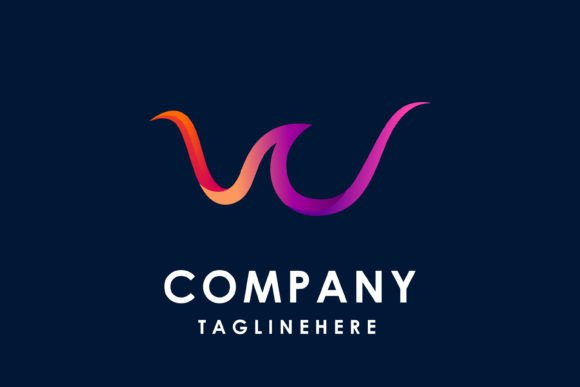
Unlocking the Power of the W Letter Logo with Wave Shape Gradient
In the fast-paced world of visual communication, a logo is more than just a symbol; it is the heartbeat of a brand’s identity. When designing for dynamic industries like sports, multimedia, or modern tech startups, static and rigid designs often fail to capture the energy and fluidity required to engage an audience. This is where the W letter logo with wave shape gradient emerges as a compelling choice. By combining the structural strength of the letter "W" with the organic, flowing motion of a wave, this design offers a unique blend of stability and movement.
The addition of a bright gradient further elevates this concept, transforming a simple typographic mark into a vibrant, eye-catching asset. Whether you are creating labels for athletic gear, setting titles for high-energy videos, or designing sleek business cards, this vector-based solution provides the versatility needed to stand out in a crowded marketplace. Let’s explore why this specific design aesthetic is becoming a staple for creative professionals and how you can leverage its potential.
The Anatomy of Motion: Why Wave Shapes Work
Design psychology plays a crucial role in how consumers perceive a brand. Straight lines suggest rigidity, order, and tradition. Curves, on the other hand, suggest flow, emotion, and adaptability. The W letter logo with wave shape merges these two psychological triggers. The "W" itself is a strong, angular character that implies width, power, and foundation. However, by curving the legs of the letter into a wave-like structure, the design softens the edges without losing its impact.
This duality is particularly effective for brands that want to communicate both reliability and innovation. For instance, a sports team might use this logo to represent the endurance of their athletes (the solid W) alongside the fluid dynamics of their sport (the wave). Similarly, a multimedia company might use it to signify the seamless flow of content across different platforms. The wave shape inherently suggests progress, forward momentum, and connectivity—key attributes for any modern enterprise looking to establish a relevant digital presence.
The Impact of Bright Gradients in Modern Design
Gone are the days when flat colors were the only option for clean, minimalist logos. Today, gradients have made a massive comeback, driven by advancements in screen technology and changing user preferences. A bright gradient font adds depth, dimension, and a sense of luminosity to the logo. It catches the light, whether on a physical billboard or a mobile screen, drawing the eye immediately.
When applied to the W letter logo with wave shape gradient, the color transition can follow the contour of the wave, enhancing the illusion of three-dimensional movement. Imagine a gradient that shifts from deep ocean blue at the base of the wave to a vibrant cyan or electric purple at the crest. This not only makes the logo visually striking but also allows for extensive customization. Brands can adjust the hue spectrum to match their existing color palette, ensuring consistency while still gaining the benefits of a dynamic, multi-tonal appearance.
Customization and Ease of Use
One of the most significant advantages of using a vector-based logo template is its inherent flexibility. Unlike raster images, which become pixelated when enlarged, vector graphics are mathematically defined. This means the W letter logo with wave shape can be scaled up to the size of a building facade or shrunk down to fit on a pen drive without any loss in quality. Furthermore, because it is fully editable, designers can tweak every aspect of the design:
- Color Adjustments: Change the gradient stops to align with seasonal campaigns or new branding guidelines.
- Stroke Widths: Thicken or thin the lines of the wave to alter the perceived weight and boldness of the logo.
- Slope and Curvature: Adjust the angle of the wave to make it appear more aggressive (sharp peaks) or more gentle (soft rolls).
- Typography Integration: Easily pair the icon with custom fonts for subheadings or taglines.
This level of control ensures that the final output fits your needs perfectly, making it an ideal starting point for projects ranging from simple personal branding to complex corporate identities.
Practical Applications Across Industries
The versatility of the W letter logo with wave shape gradient allows it to transcend industry boundaries. Here are a few scenarios where this design shines:
Sports Labels and Apparel
In the sports industry, energy is everything. Athletes need gear that looks as dynamic as they perform. A bright gradient logo on a jersey, water bottle, or gym bag conveys vitality and speed. The wave shape can subtly reference swimming, surfing, running trails, or even the "flow state" of peak performance. Because the design is available in multiple file formats, it can be easily transferred to embroidery machines for apparel or vinyl cutters for decals.
Multimedia Posters and Event Titles
For concerts, festivals, or webinars, attention spans are short. A poster featuring a large, gradient-rich W logo grabs attention instantly. The wave shape can be used to create background textures or dividers within the layout, creating a cohesive visual language. The brightness of the gradient ensures the title stands out against busy backgrounds, guiding the viewer’s eye directly to the key information.
Business Cards and Corporate Identity
Even in conservative sectors, a touch of modern flair can set a company apart. A business card printed with a foil-stamped version of the W letter logo with wave shape gradient exudes professionalism mixed with creativity. It suggests that the company is forward-thinking and adaptable. The clean lines of the vector format ensure that the logo prints sharply, maintaining a premium feel even in small sizes.
Technical Specifications and File Formats
To truly utilize the full potential of this design asset, understanding the available file formats is essential. Each format serves a specific purpose in the design workflow, ensuring compatibility across various software and production methods.
- AI (Adobe Illustrator): This is the native source file format. It contains all the editable layers, paths, and gradient meshes. If you plan to make significant modifications to the design, such as adding new elements or altering the core structure, the AI file is indispensable.
- EPS (Encapsulated PostScript): A robust vector format compatible with almost all graphic design software, including CorelDRAW and Inkscape. EPS files are excellent for sending to printers who may not use Adobe products, as they preserve vector data and scalability.
- SVG (Scalable Vector Graphics): The gold standard for web design. SVG files are XML-based vectors that remain crisp on any screen resolution, from mobile phones to 4K monitors. They load quickly and can be animated using CSS or JavaScript, adding an interactive layer to digital presentations.
- PNG (Portable Network Graphics): A raster format that supports transparency. PNGs are perfect for placing the logo over varied backgrounds on websites, social media profiles, or presentations. While not scalable like vectors, high-resolution PNGs provide instant visual previews.
- JPG (Joint Photographic Experts Group): A compressed raster format widely used for general image display. JPGs are useful for quick sharing via email or uploading to platforms that do not support transparent backgrounds. However, they lack the transparency and infinite scalability of vector formats.
Considerations for Implementation
While the W letter logo with wave shape gradient is highly customizable, there are practical considerations to keep in mind. First, always start with the highest resolution vector files (AI, EPS, or SVG) before converting to raster formats. Working backwards—from a low-res JPG to an AI file—is impossible and will result in poor quality.
Secondly, consider contrast. Bright gradients work best against neutral or dark backgrounds. If placing the logo on a white background, ensure the gradient includes enough dark tones to maintain legibility. Testing the logo in grayscale is also a good practice to ensure the wave shape remains distinct even without color cues.
Finally, remember that simplicity is key. The beauty of this design lies in its balance. Avoid cluttering the logo with excessive text or competing graphical elements. Let the interplay between the geometric "W" and the organic wave speak for itself. By respecting the integrity of the vector design, you ensure that your brand identity remains timeless, adaptable, and professionally polished.
Whether you are a seasoned graphic designer or a business owner looking to refresh your image, the W letter logo with wave shape gradient offers a powerful toolset. Its combination of aesthetic appeal, technical flexibility, and broad applicability makes it a smart investment for anyone serious about visual communication. Embrace the flow, harness the gradient, and let your brand move forward with confidence.